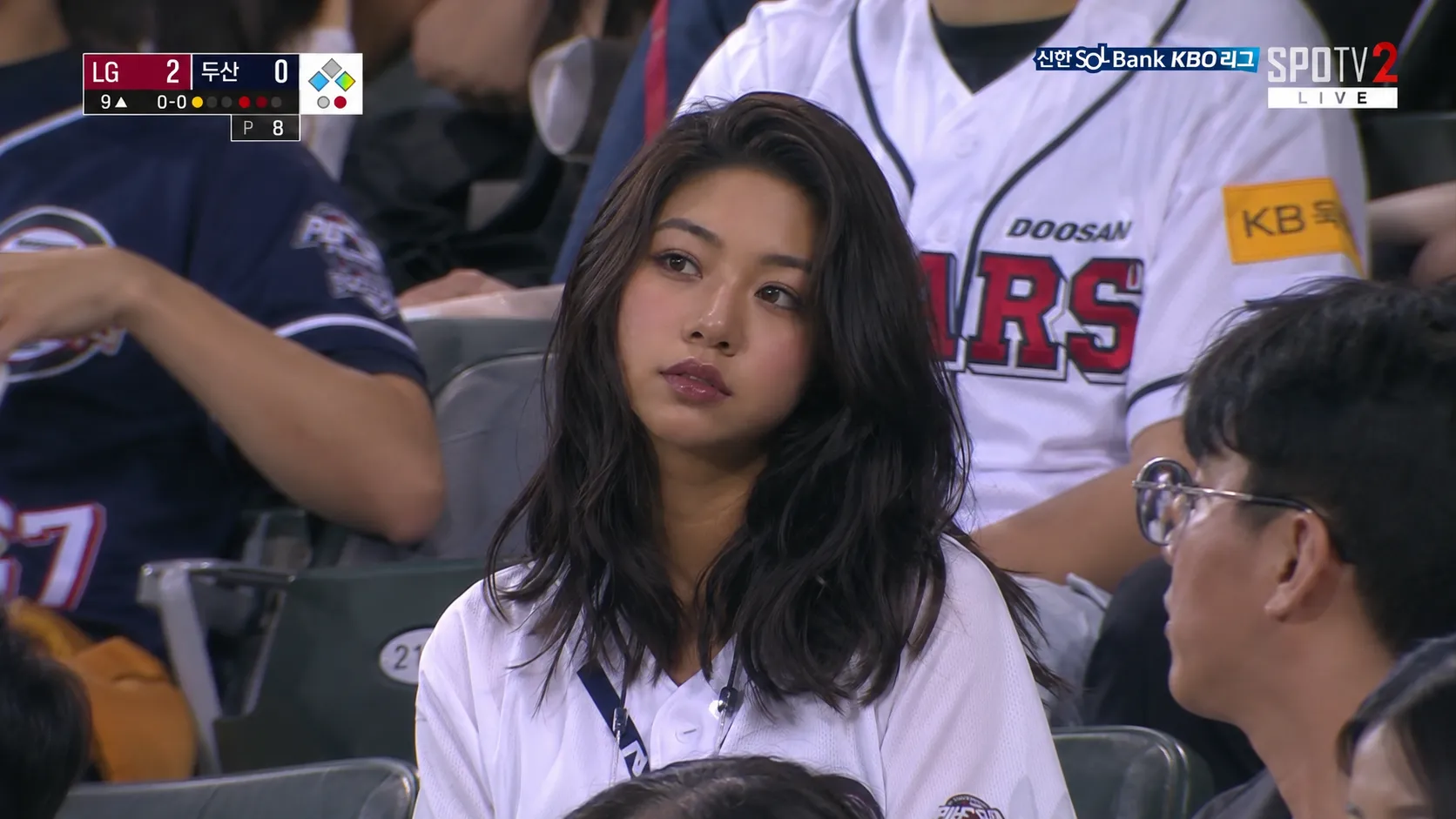
If you've been on Instagram or TikTok in the last week, you've seen it. Someone you know — maybe your colleague, maybe your cousin, maybe your hairdresser — sitting in a packed Korean baseball stadium, caught on a live broadcast camera, looking effortlessly gorgeous.
Except they weren't there. It's AI. All of it — the stadium, the crowd, the broadcast camera angle, the perfectly timed surprised smile. None of it is real. And everyone is doing it.
Including me.
How it works (the short version)
You upload a photo of yourself into an AI tool — ChatGPT, Gemini, Kling AI or one of the dozens of apps riding this wave — and it generates a hyper-realistic image of you sitting in a KBO Korean baseball stadium, caught on camera during a live broadcast. Then you animate it into a short video with another tool, add some crowd noise, and post it.
The whole thing takes maybe ten minutes. The result looks so real that people in your comments genuinely ask if you went to Korea.
The part nobody's talking about
Here's where it gets interesting — and a little bit uncomfortable.
When I saw my AI version sitting in that stadium, my first thought wasn't "that's cool technology." It was "I look good." And then immediately: "Wait — is that even me?"
Because the AI didn't just put me in a stadium. It subtly enhanced me. My skin was smoother. My proportions were slightly adjusted. My expression was more composed than I'd ever naturally look if a camera suddenly found me in a crowd. It was me — but the version of me that exists in my best lighting, on my best day, with none of my flaws.
And I liked it. Which is the part that felt weird.
Why we can't stop looking
This trend isn't popular because people love Korean baseball. Most people making these videos couldn't name a single KBO team. It's popular because it gives us a version of ourselves we've always wanted to see — the cinematic version. The one that belongs in a movie scene, not a bathroom selfie.
And there's something deeply human about that. We've always wanted to see ourselves through a better lens. Filters did it. Instagram angles did it. AI just does it more convincingly than anything that came before.
The Korean baseball setting works because it feels candid — like you weren't posing, like the camera just happened to find you looking beautiful in a crowd. It mimics the fantasy of being effortlessly seen. And in a world where most of us feel invisible most of the time, that fantasy is intoxicating.
The uncomfortable question
If we're all this excited about an AI version of ourselves that's slightly more beautiful, slightly more polished, slightly more cinematic — what does that say about how we feel about the real version?
I'm not saying the trend is harmful. It's fun. I did it twice. But I noticed something after I posted mine: I kept going back to look at the AI version. Not because I was proud of the technology — but because I preferred how I looked in it. And sitting with that feeling was... a lot.
We're in a strange era where the line between "fun filter" and "digital self-replacement" is getting thinner every month. Today it's a baseball stadium. Tomorrow it might be AI-generated photos for dating profiles, job applications, social media presences. At what point does the enhanced version become the version we expect ourselves to be?
Where I landed
I'm not going to tell you not to try it. Do it — it's genuinely fun, and your version will probably look incredible. But maybe notice how it makes you feel after. Not just the dopamine hit of posting it, but the quiet moment after — when you look at the AI version and then look in the mirror.
If those two feelings are the same? Great. You're fine.
If they're not? That's worth sitting with — because we're living in a time where technology is evolving faster than our relationship with our own image. And we're all figuring that out in real time — one viral trend at a time.
The Korean baseball AI trend is fun. But the most interesting thing about it isn't the technology — it's what it reveals about the gap between who we are and who we wish we looked like. And maybe the trend worth paying attention to isn't the one on your feed — it's the one happening inside your head.


Comments 0